CIMPL3
Pricing

Sustainability self-assessment

Sustainability,Simplified.

A self-assessment, a report you can act on, and a dashboard that tracks what changes. Built for organisations and municipalities measuring impact where they operate.

If you don't like the way the world is, you change it. One step at a time.

Marian Wright Edelman
Start the self-assessmentSee a sample report

A triple-bottom assessment of your contribution to regenerative and distributive local well being

Are you looking to transition your business activities structure towards more responsible territorial impacts? Or maybe you need a sustainability scenario to apply on a call to projects as a supplier of products or services, get funding, sell, merge or acquire a business? We support you in such scenario building of best territory triple bottom impacts business practices according to Regenerative and distributive principles that are pillars to the Doughnut Economics.

See the CIMPL3 demo
People working together at a table in a community workshop
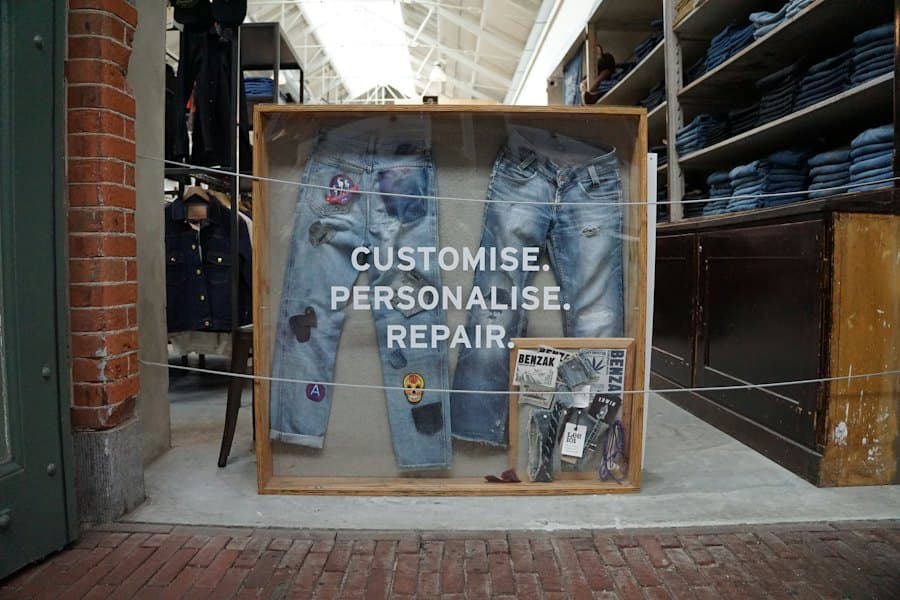
Worn jeans laid out with repair and customisation options
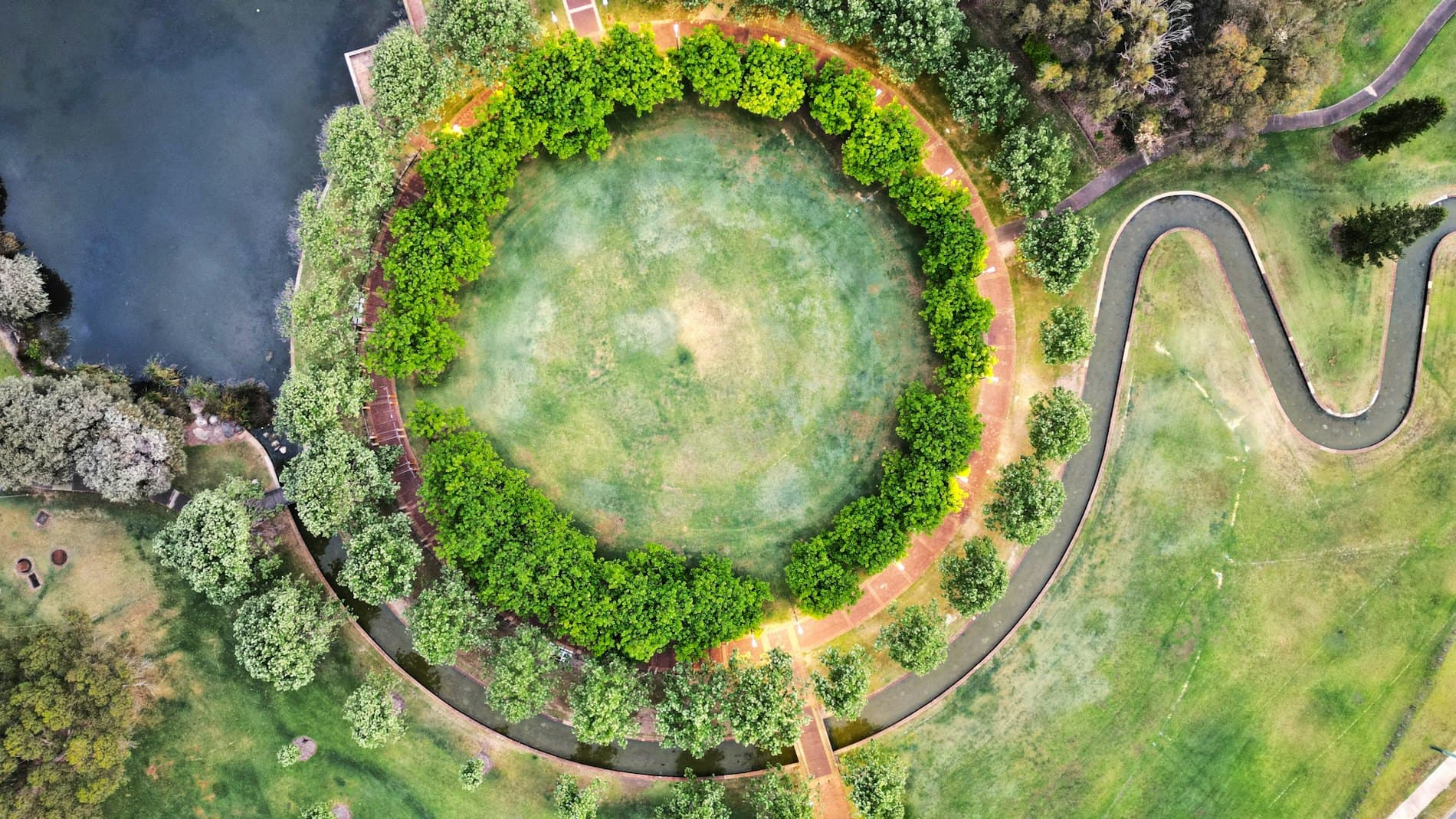
Aerial view of a circular park with a river running through it

Who is it made for?

Hands covered in dark soil planting a small green seedling

Businesses & Organizations in Accelerators

To position their solution on the market, or improve their own business model

Learn more
Two pairs of hands planting a small green seedling together

Impact Investors & Hubs

To compare projects to invest in, and to compile overall portfolio impacts

Learn more
Two hands holding a small model of the earth

Communities, Municipalities & Territories

To decide projects to welcome on the land based on the impacts on the local well being

Learn more

A 6-steps methodology and platform towards best impacts
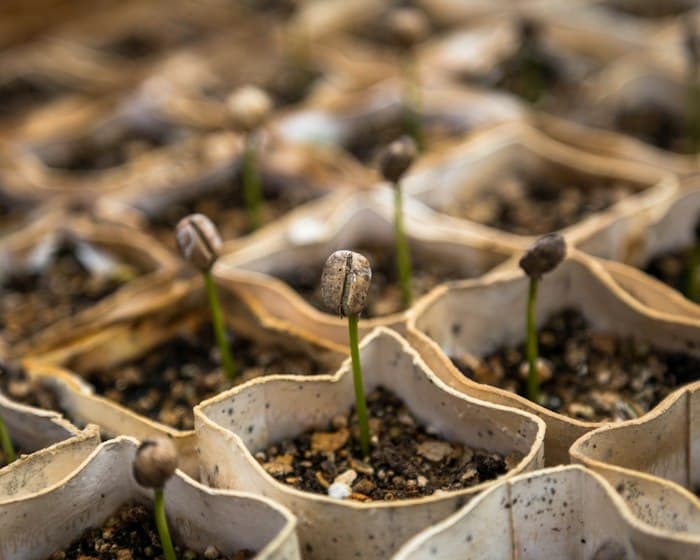
  1. A row of bean sprouts at successive stages of growth
    01

    Lifecycle steps view

    Define the stages of your goods and services production cycle and the impacts of related activities.
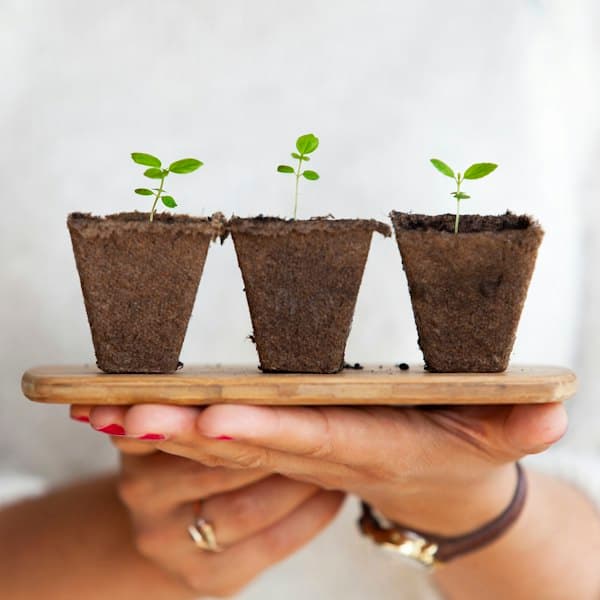
  2. Three young plants standing side by side
    02

    Triple-impacts

    Validate the regenerative and distributive impact of your activities in economic, social, and environmental terms.
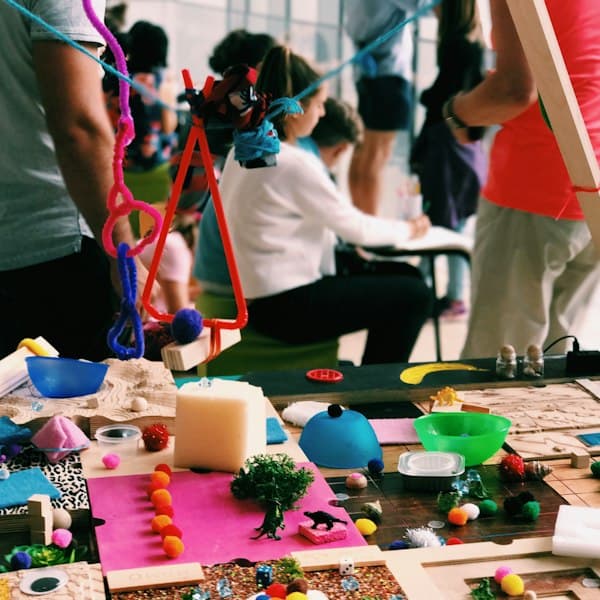
  3. A group of people gathered around a table together
    03

    Stakeholders

    Position yourself within a network of key players and assess your ability to contribute to change.

  4. Binoculars trained on a calm sea and distant mountains
    04

    Hot points

    Identify activities where you can improve impact and high potential for stakeholder engagement.
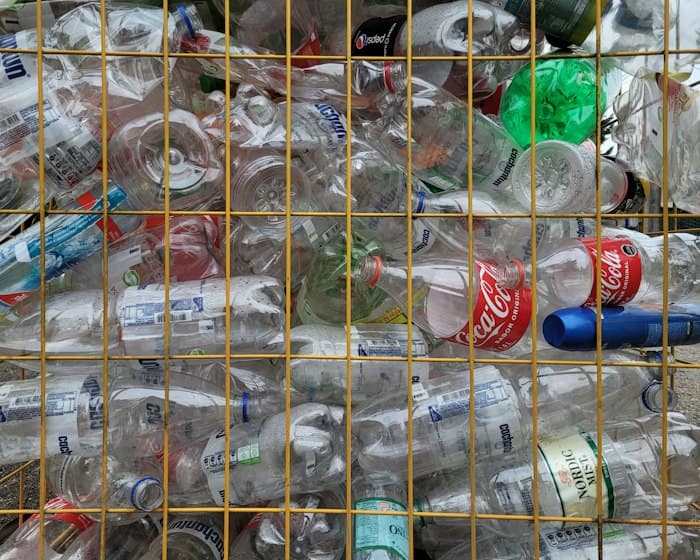
  5. Sorted glass bottles collected in a wire cage for reuse
    05

    Strategies

    Explore other ways to deliver your activities by applying circular economy principles to the triple bottom line of your lifecycle activities.
  6. A stack of balanced stones on a rock at sunset
    06

    Scenarios

    Develop a scenario for a revised business model in order to participate in the regeneration and distribution of resources in your region of activity.

Why we developed this methodology
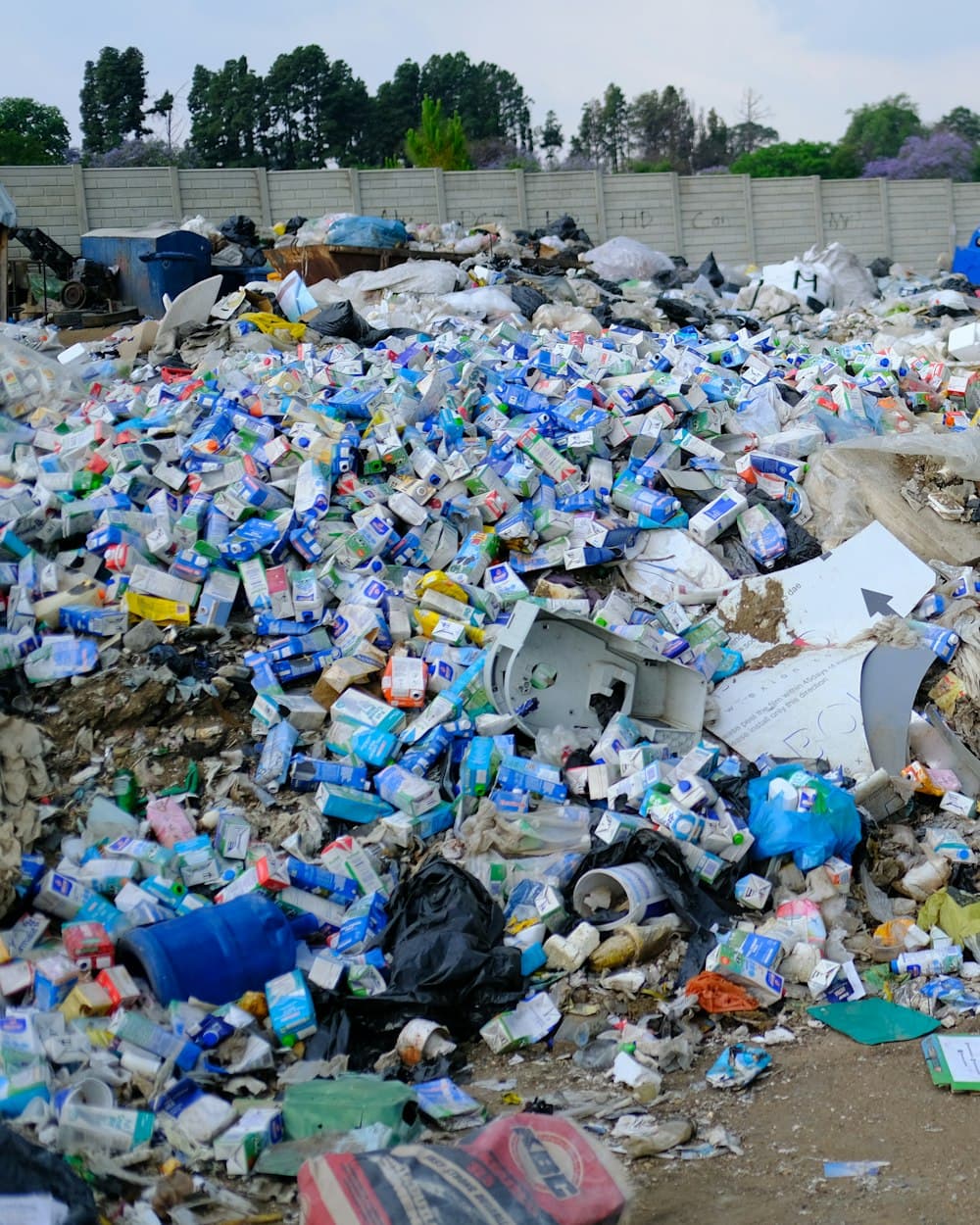
A vast landfill of discarded material stretching to the horizon
A river winding through a densely forested green valley

History behind the methodology

For decades, business models have been designed to maintain short-term profitability by producing more, selling more and consuming more. Too often, this logic has created barriers between natural resources, ecosystems, and ways of life.

Today, faced with the climate crisis, the limits of resources and growing inequalities, we can no longer rely on fragmented solutions. It is time to propose a methodology that embraces interconnections and long-term transformation.

A clear, rigorous, and regenerative approach

The economy cannot remain focused solely on technical performance. Human beings are connected to ecosystems, and our survival depends on preserving resources, reducing waste, and regenerating natural and social systems.

Our methodology integrates a triple regenerative vision that is social, environmental and economic. It is built on anticipation and resilience, anticipating risks of collapse, and strengthening the capacity of organizations to resist and adapt.

Each indicator can be used on its own or together, to guide coherent and sustainable decisions over the short, medium and long term.

Innovation guided by purpose

Too often, innovation is measured only by technical performance or its growth potential. We believe innovation must also serve meaning and contribute to societal and ecological regeneration.

This is why we ask essential questions:

  1. What should we maintain and improve?

  2. What should we stop doing?

  3. What should we transform to ensure long-term survival?

These simple questions help organizations better understand the complexity of sustainability and align strategies, governance, and daily actions.

A methodology designed to last

Born from field experience, this methodology provides pragmatic and accessible tools to accompany organizations in their sustainability journey.

It is meant as a decision-making compass. It helps organizations anticipate transformations, strengthen resilience, and embed sustainability at the heart of their strategies.

Businesses & Organizations in Accelerators

CIMPL3 acts as a business model design and impact optimization tool that helps startups and companies:

Startup ideation & acceleration

  • Map business activities across lifecycle (collection to end-of-life)
  • Identify high-impact opportunities early
  • Prototype circular and regenerative models

Business model differentiation

  • Show how the solution solves industry problems
  • Demonstrate impact as a competitive advantage
  • Position product or service with dual value (market and territory impact)

Continuous improvement & scaling

  • Identify hotspots, the low impact and high leverage activities
  • Simulate alternative scenarios
  • Improve operations iteratively using circular strategies

Strategic Benefits

  • Stronger investor readiness (impact clarity)
  • Faster decision-making with structured scenarios
  • Increased efficiency of founder time and resources
  • Structure their activities across the full lifecycle
  • Quantify and improve their triple impact (economic, social, environmental)
  • Align their value proposition with market and impact expectations
Find out more

Frequently Asked Questions

What people ask before they start, and what the platform actually does.

Can strategies other than the circular economy be used?/We mainly use circular economy strategies for territorial impacts during the company's active life. However, at the end of the company's life, we will refer to strategies for sustainable transfer and takeover, both for the organization and for the triple health of the territory.Can strategies other than the circular economy be used?/We mainly use circular economy strategies for territorial impacts during the company's active life. However, at the end of the company's life, we will refer to strategies for sustainable transfer and takeover, both for the organization and for the triple health of the territory.
Does this model also apply to organizational health?/Yes, we can apply the same product and service life cycle steps from a regenerative and distributive perspective to organizational health. And we can apply circular economy strategies to increase the eco-efficiency of the company. However, for dimensions other than eco-efficiency, we will use strategies specific to organizational well-being and less focused on the territory.Does this model also apply to organizational health?/Yes, we can apply the same product and service life cycle steps from a regenerative and distributive perspective to organizational health. And we can apply circular economy strategies to increase the eco-efficiency of the company. However, for dimensions other than eco-efficiency, we will use strategies specific to organizational well-being and less focused on the territory.
Is it possible to use the platform without doing the coaching or training program?/The training program aims to provide you with the knowledge you need to make the best use of the platform and guide you in your reflection on how your organization can be a catalyst for well-being in your region. However, we can also offer an abbreviated version of the training if your organization can demonstrate that it already has a well-developed reflection covering what would normally be addressed in the methodology coaching sessions.Is it possible to use the platform without doing the coaching or training program?/The training program aims to provide you with the knowledge you need to make the best use of the platform and guide you in your reflection on how your organization can be a catalyst for well-being in your region. However, we can also offer an abbreviated version of the training if your organization can demonstrate that it already has a well-developed reflection covering what would normally be addressed in the methodology coaching sessions.
How long does the self-assessment take?/About fifteen minutes. You rate three pillars at each of five lifecycle stages, and you can add a line about the activity behind each rating. You do not have to finish in one sitting, because the link you are given brings you back to where you stopped.How long does the self-assessment take?/About fifteen minutes. You rate three pillars at each of five lifecycle stages, and you can add a line about the activity behind each rating. You do not have to finish in one sitting, because the link you are given brings you back to where you stopped.
Do I need an account to start?/No. The self-assessment is open and anonymous, and your answers are saved as you go. An account is for keeping the work afterwards, comparing it over time and sharing it with your team, so you can decide about one once you have seen your results.Do I need an account to start?/No. The self-assessment is open and anonymous, and your answers are saved as you go. An account is for keeping the work afterwards, comparing it over time and sharing it with your team, so you can decide about one once you have seen your results.
What do I get at the end?/A report of your ratings across the three pillars at each of the five lifecycle stages, showing where your activity regenerates and distributes and where it does not. We send it within 48 hours, free of charge and with no obligation.What do I get at the end?/A report of your ratings across the three pillars at each of the five lifecycle stages, showing where your activity regenerates and distributes and where it does not. We send it within 48 hours, free of charge and with no obligation.

Please contact us for any other questions

Contact us

Other related services

The assessment shows you where to act. These are the ways Synertium works with you once you know.
  • A stack of smooth stones balanced on a shoreline

    Circular Economy

    In order to explore circular economy strategies in greater depth
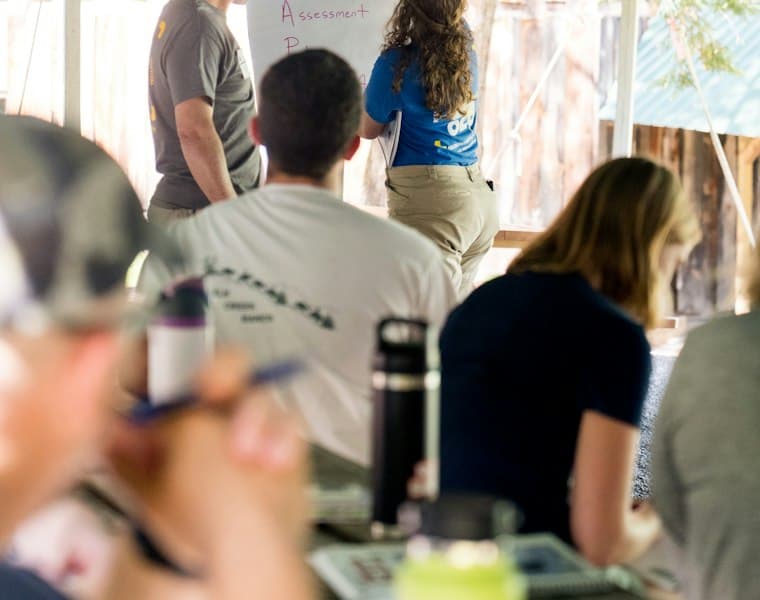
  • A runner mid-stride along a marked track

    Impacts Measuring

    In order to implement an impact management plan based on the application of the theory of change derived from the new scenario
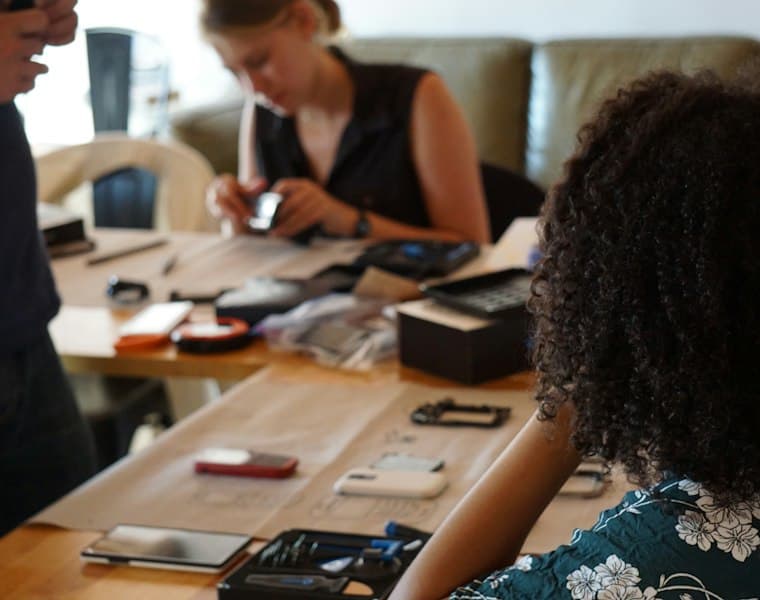
  • A person planning at a desk covered with notes and drawings

    Sustainability Management

    In order to develop an action plan and ensure its implementation, resource management, etc.

Make impact measurable, and measurably better, with CIMPL3.

Anyone can run the self-assessment. An account keeps it, shows what changed since the last one, and brings your team into the work.

Start the assessmentSee a sample report

Platform

  • The method
  • The self-assessment
  • Circular initiatives
  • Demo

Solutions

  • Businesses and accelerators
  • Impact investors and hubs
  • Communities and municipalities

Resources

  • FAQ and how to use
  • Pricing
  • Policies
  • Security overview

Company

  • Who we are
  • Why we built it
  • Services
  • Contact
CIMPL3
  • Sign in
  • Start the assessment

© 2026 CIMPL3 Platform, by Synertium Sustainability Services.